
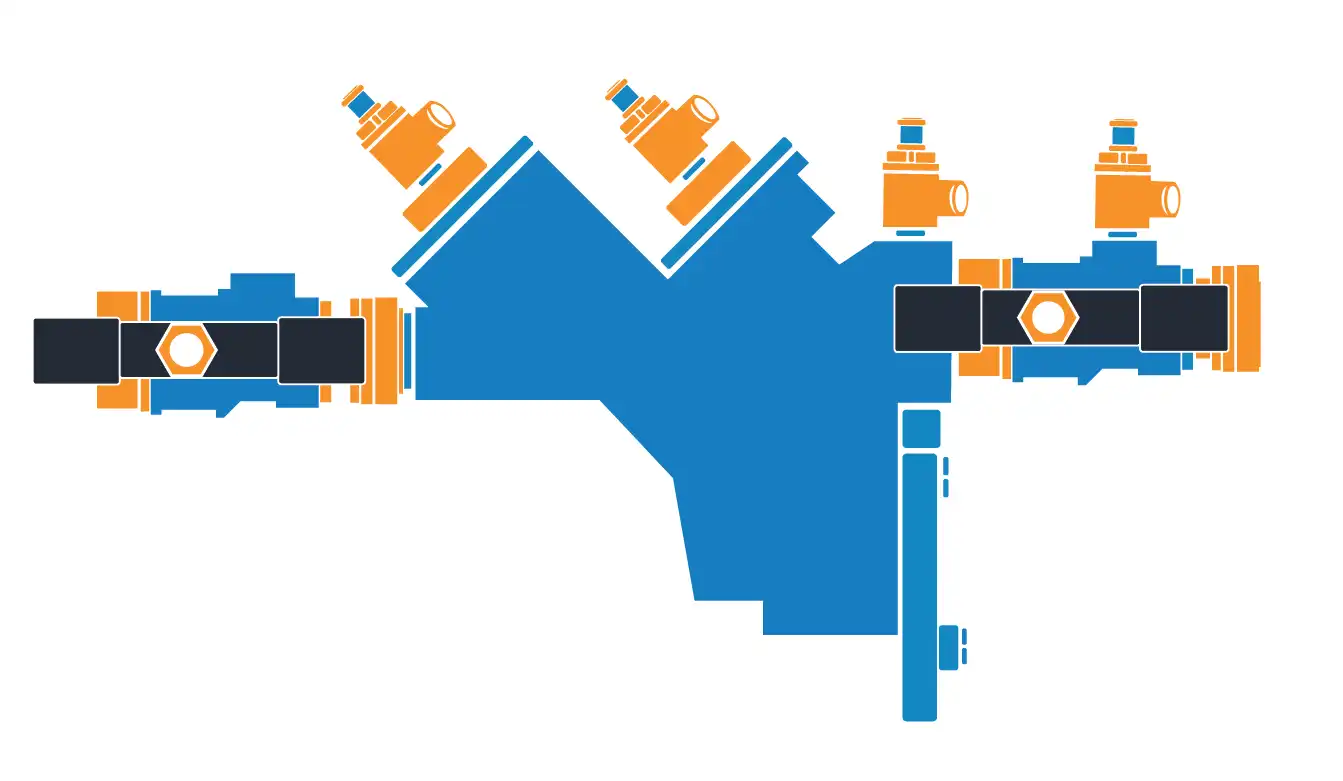
Backflow Academy: How Backflow Preventers Protect Drinking Water
Many people are unaware of backflow preventers and the function they serve. Backflow preventers are often overlooked when turning on a faucet, filling a glass of water, running a sprinkler system, or connecting a garden hose, yet they prevent contaminated water from flowing backward into the public water supply. This imperative protection happens quietly in the background every single day.
Backflow preventers are among the most important components for protecting drinking water systems. Without them, changes in water pressure could allow pollutants, chemicals, bacteria, or contaminated water to flow backward and enter clean potable water lines. In many ways, backflow preventers act as silent guardians inside the water system.
What Is Backflow?
Under normal conditions, water moves through a plumbing system in a single direction. Clean water enters from the public supply and flows to homes, businesses, irrigation systems, and industrial equipment. Backflow occurs when water unexpectedly reverses direction.
This reversal can occur when pressure changes within the system. If pressure in the public water supply drops suddenly, water from private plumbing systems can flow backward into the drinking water system. This creates a serious risk of contamination.
What Causes Water To Reverse Direction?
There are two primary causes of backflow:
Backpressure – Backpressure occurs when pressure inside a private system becomes greater than the pressure in the public water supply.
- Boilers
- Industrial Systems
- Pumps
- Elevated Piping Systems
- Chemical Processing Equipment
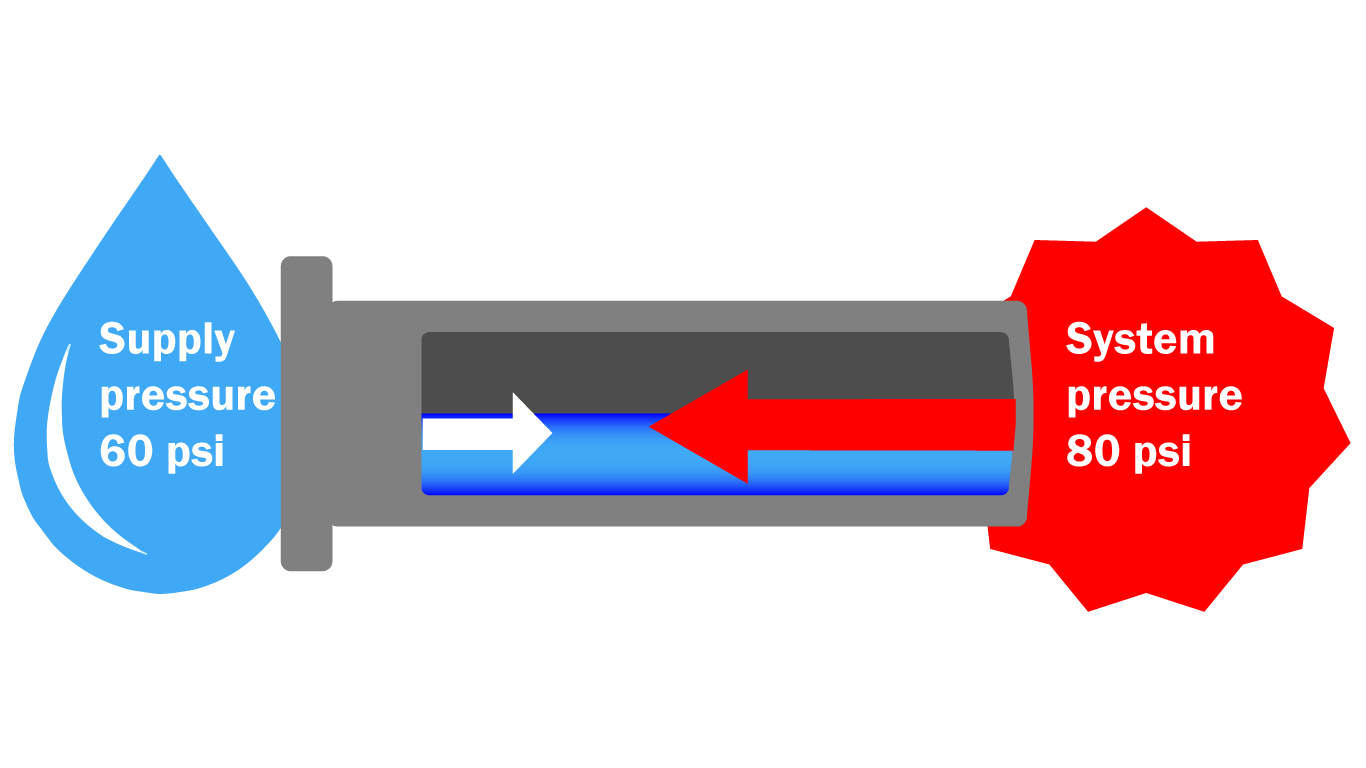
When internal pressure exceeds supply pressure, water attempts to move backward through the system.
Backsiphonage –Backsiphonage happens when there is a sudden drop in water supply pressure, creating a vacuum-like effect that pulls water backward.
This can occur during:
- Water Main Breaks
- Firefighting Activity
- Heavy System Demand
- Nearby Hydrant Use
- System Maintenance
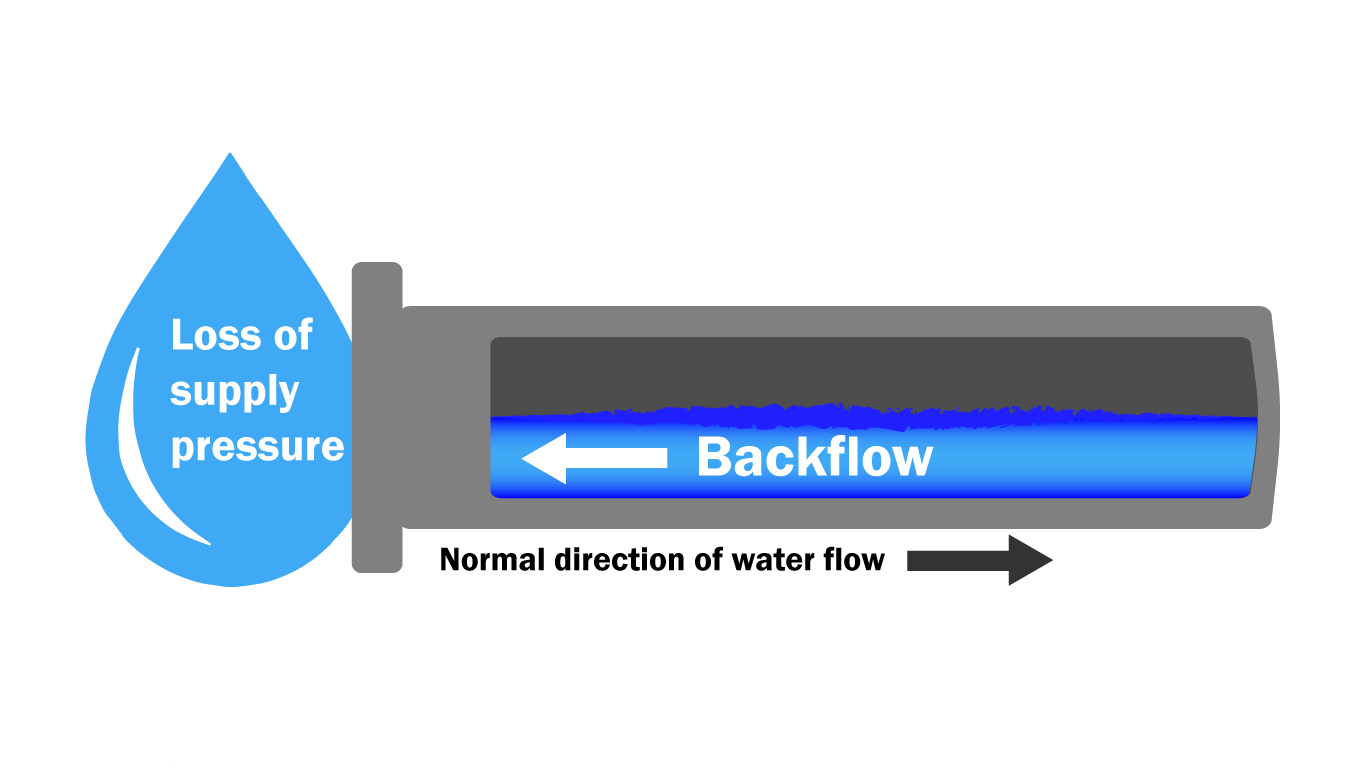
Without protection in place, contaminated water can be siphoned into potable water lines.
Why Does This Matter?
The danger of backflow is not theoretical. Cross-connections exist in thousands of locations throughout every community. These are just some of the locations you encounter throughout your day:
- Irrigation Systems
- Commercial Boilers
- Fire Suppression Systems
- Pools and Spas
- Chemical Dispensing Systems
- Industrial Facilities
- Restaurants and Healthcare Facilities
If contaminated water enters the public supply, the consequences can be serious. Fertilizers, chemicals, stagnant water, bacteria, and other pollutants can all pose risks to public health. Backflow preventers are designed to stop this from happening.
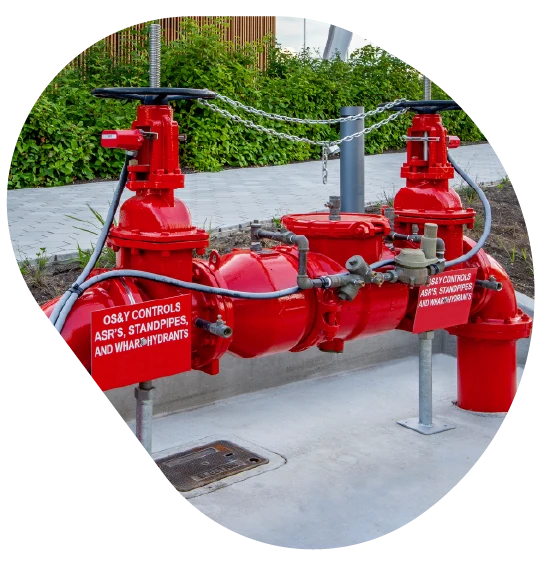
How Backflow Preventers Work
A backflow preventer is designed to allow water to flow in only one direction. Inside the assembly are specialized valves that automatically close if water begins to reverse direction. This prevents contaminated water from flowing backward into the clean water supply. Different types of backflow preventers are used depending on the level of hazard and the type of system being protected.
Backflow preventers are mechanical devices, which means they can wear down over time. Valves can fail, springs can weaken, and debris can interfere with operation. Even a properly installed assembly must be tested regularly to confirm it is functioning properly.
That is why many states, municipalities, and water purveyors require annual testing by certified backflow testers. Without regular testing, there is no guarantee the assembly will function when pressure conditions change.
How BSI Online Supports Backflow Programs
BSI Online helps water purveyors and municipalities manage the administrative side of backflow prevention and cross-connection control. With a centralized platform, utilities can track device records, monitor compliance status, manage tester activity, and maintain visibility into communication and reporting. Notification letters are tracked automatically, testers can submit reports directly into the platform, and staff can access real-time information from a single dashboard.

Our goal is to support the work that keeps drinking water protected behind the scenes every day. One of the most important aspects of backflow prevention is that successful systems are often invisible to the public. When devices function properly, contamination never occurs, and water stays safe. That quiet success results from planning, testing, enforcement, and consistent system management working together. Backflow preventers may not be the most visible part of the water system, but they are among the most important.