
Falling Autumn Temperatures – Backflow Device Testing Before the Winter Months
As summer turns to fall, water usage drops along with the temperature. After heavy usage from hoses, sprinklers, fountains, and other summertime water needs, it is important to ensure cross-connection control systems have not sustained any damage.
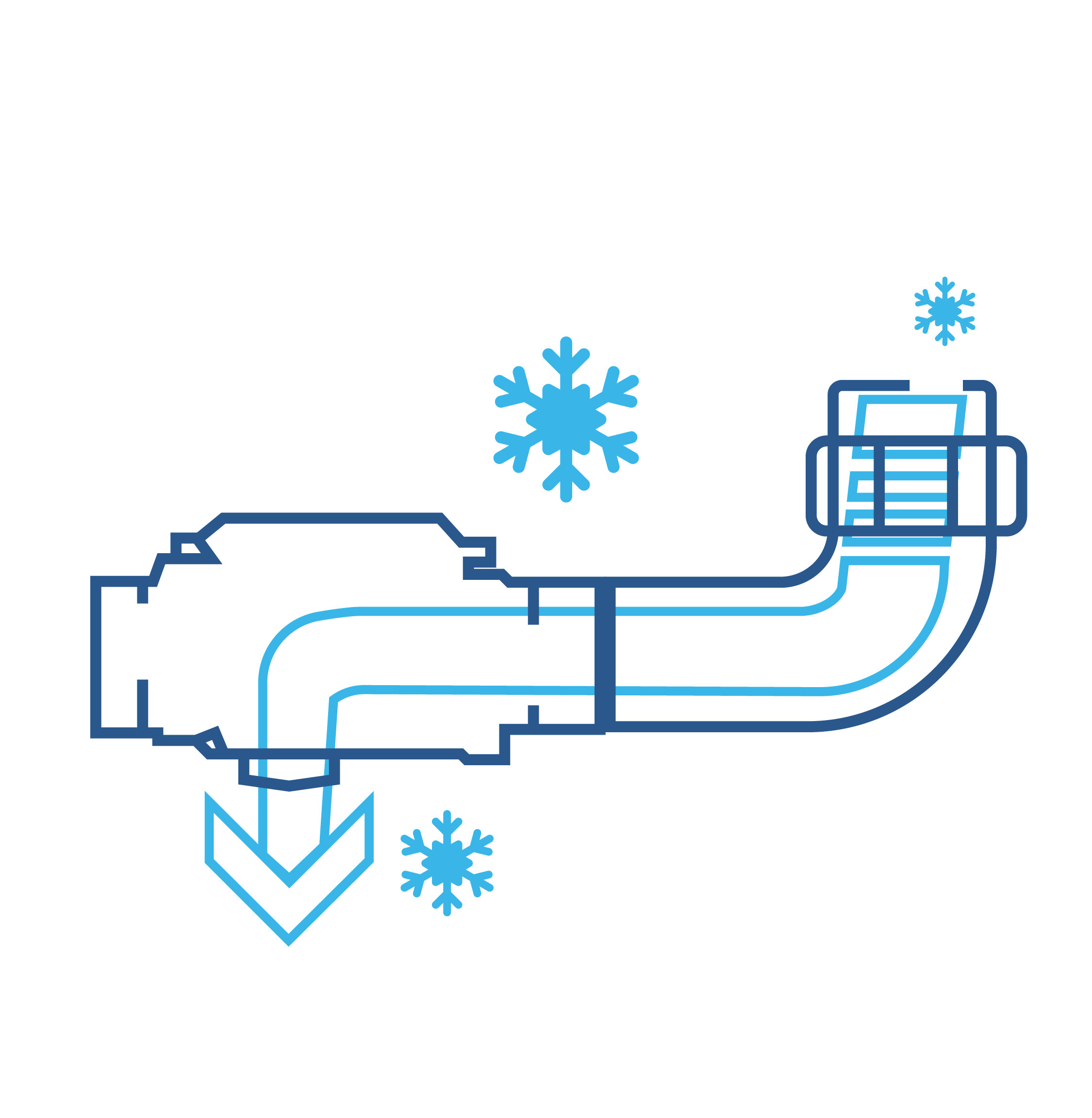
Additionally, freezing weather can cause water to expand into ice, causing a variety of piping issues. Although most testing is done in the spring, backflow prevention testing can be a vital part of winterization prep, and in certain situations be required twice annually.
Increased Winter Risks
Heavy water usage during the summer puts strain on backflow devices and cross-contamination prevention systems, which can lead to post-season damage. Worn seals or internal leaks created over the high-demand season will only worsen over time.
Freezing water expands, which will further existing issues within backflow devices. The most affordable and effective way to fix leaks and correct damage is before winter weather, when problems are caught early. Before cold weather, it is particularly important to test and, if needed, fix all seals within the system.
Leaky seals can allow for backflow, or standing water that will collect bacteria throughout the winter. Despite lower water usage compared to the summer months, the risks are higher September through February when it comes to backflow device damage.
Benefits of Twice-Annual Testing
Once backflow assemblies are tested in the spring, it is a common consensus that there is no need to test again until the next year. However, due to the increased usage over the summer, and increased risks throughout the winter months, it may be beneficial to test again in the fall as a preventative measure.
When caught early, post summer damage can be more easily repaired. Not only does this save money, but it increases public water safety. Leaks and other issues left throughout the winter can put potable water at risk for longer than necessary.
For high-risk locations, like medical facilities and chemical plants, twice-annual testing is sometimes required. This extra level of testing provides maximum safety for both the water service of these buildings and the public water supply.
How BSI Online Helps with Fall Testing
Backflow testing is simpler, faster, and more effective with the right data management program to back you up. With 24/7/365 data access, BSI Online makes it easy to track biannual backflow device testing, and any device test failures before the winter season.
Our cloud-based program gives you a pass/fail automatically, based on your municipality's regulations. This means getting the job done faster, whether you get a pass, or need to prep repairs after a failure. This all-virtual system can handle all types of testing, including high-risk facilities that require biannual testing.

The best way to prepare for upcoming cold weather is to ensure your backflow prevention systems are ready to operate at maximum efficiency. Whether you are a property manager, backflow inspector, or a water purveyor requiring semiannual testing, BSI Online provides all your cross-connection control and backflow data management needs this fall!
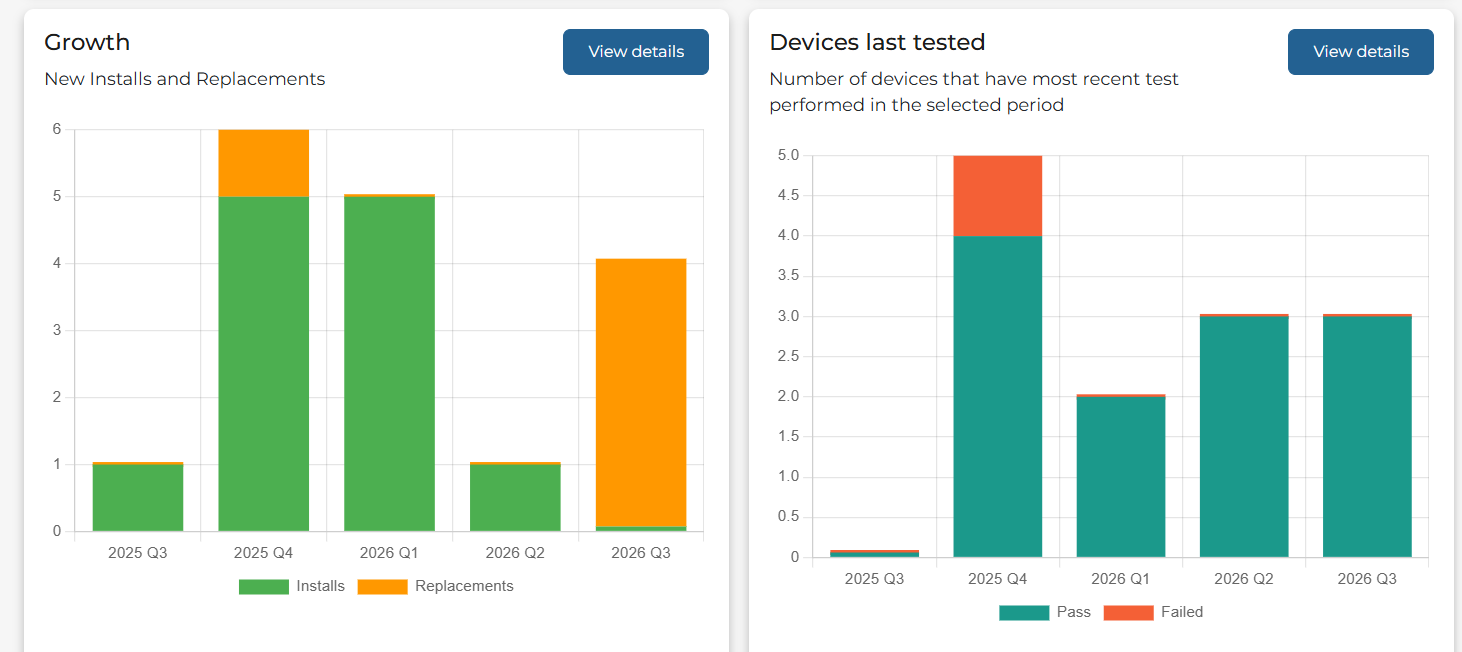
See devices that have passed or failed automatically after uploading!
Find out more about our tracking system options at backflow.com/backflow-data-management or book your live demo!